
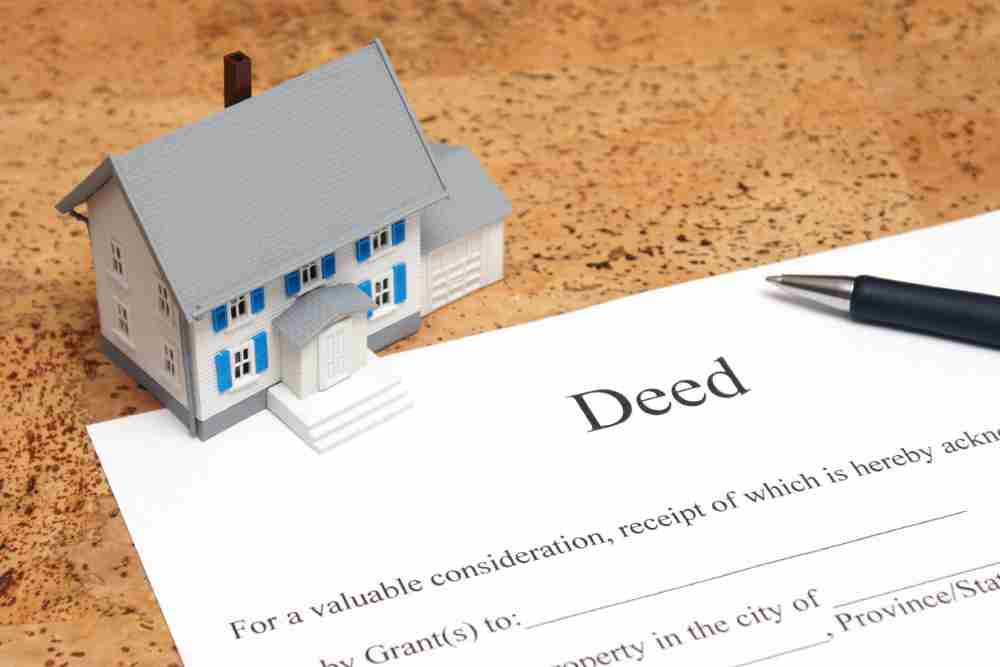
When it comes to real estate, many homeowners confuse the terms “home title” and “deed.” While both are important to property ownership, they represent different concepts in the legal process. Understanding the difference between a home title vs. deed is important for anyone involved in property transactions.
What Is a Home Title?
A home title refers to the legal ownership of the property. It signifies the person or entity that holds the right to possess, use, and transfer the property. Unlike a deed, a title is not a physical document but rather a legal status that represents the right to ownership. It can be complicated by issues like liens or disputes, making it best to verify before transferring property.
In real estate transactions, the title offers the buyer the assurance that the seller has the legal right to transfer ownership. If the title is clear, it means there are no legal claims or encumbrances on the property. However, if the title is clouded, such as in cases of unpaid debts or ownership disputes, it can complicate the process of selling or transferring the property.
What Is a Deed?
A deed is a legally acceptable document that is used to transfer property ownership from one party to another. It contains the details of the buyer and seller, including the legal description of the property. A deed must be signed, and it must be filed with the appropriate government authority to be legally binding. Unlike the title, the deed is a physical document and serves as proof of the transfer.
There are several types of deeds, including warranty deeds and quitclaim deeds, each offering different levels of protection for the buyer. For instance, a warranty deed confirms that the seller has clear ownership of the property, whereas a quitclaim deed makes no such promise, leaving the buyer to accept the property without any assurances.
Key Differences Between Title and Deed
The primary distinction between a title and a deed is that the title represents ownership, while the deed is the document that transfers ownership. The title indicates the person who holds the rights to the property, while the deed is a tangible record of the transaction. A deed may be transferred during a sale, but the title may remain unchanged unless the new owner takes legal action to update it.
Additionally, title checks are needed before finalizing a transaction, as a clear title ensures the transfer will not be contested later. In contrast, a deed is only part of the process of transferring ownership and does not necessarily guarantee that the title is free of legal challenges.
Why Title Protection Is Important
While a deed legally transfers property, title protection is vital to secure the new owner’s rights. Title fraud, for example, can occur when someone illegally transfers ownership of a property without the real owner’s knowledge. This can lead to lengthy and costly legal disputes. Title protection services, like those offered by Secure Title Watch, can help prevent such fraud by providing 24/7 monitoring of title records.
Homeowners and real estate investors can avoid potential issues by keeping an eye on their title status. By catching fraudulent activity early, property owners can take swift legal action to resolve the issue before it escalates into a costly problem. Title protection offers peace of mind that goes beyond what traditional title insurance offers.
How Deeds and Titles Affect Property Buyers
For property buyers, it is important to understand the difference between the title and the deed to make them fully aware of what they are purchasing. A buyer may have a deed in hand, but if the title is clouded with issues such as liens or disputes, the buyer may not truly own the property. Therefore, verifying both the title and the deed is a significant step in any property transaction.
A clear title assures the buyer that they will not face legal challenges over ownership in the future. On the other hand, a deed confirms the seller’s intent to transfer ownership and documents the transaction. Without a valid deed, ownership transfer cannot be completed.
Safeguard Your Property with Title Protection
If you are looking for comprehensive protection for your home title, Secure Title Watch offers the solution you need. Our 24/7 title monitoring service delivers real-time alerts for any suspicious activity, allowing you to act quickly if your title is compromised. Unlike title insurance, which only covers past issues, our service focuses on protecting you from future risks.
For more information on how our title protection services can safeguard your home, contact us today and gain peace of mind knowing your title is being watched over with the highest level of security.